
Walking into your home should feel like a relief, especially when that biting Utah wind is howling outside. We seal our windows, check the weatherstripping, and settle in. But here’s the irony: the tighter we seal our homes for winter, the more we trap whatever is going on inside our vents and pipes.
At Utah Leak Detection, we get frantic calls every winter from homeowners who are—rightfully—scared. They smell something “off,” or they feel a sudden, nagging headache that won’t go away. The problem is that many people confuse Natural Gas and Carbon Monoxide (CO). They think if they don’t smell rotten eggs, they’re safe.
That assumption is dangerous. These two gases are entirely different beasts. One is a fuel that escaped; the other is a poison created when that fuel doesn’t burn right. Here is how you actually tell them apart before it’s too late.
This is the biggest hurdle. Most people grew up being told that “gas” smells like sulfur or rotten eggs.
Natural Gas is actually odorless in the wild. Utility companies add a chemical called mercaptan to help you smell a leak. If you catch a whiff of a dumpster or a rotten egg near your stove or in the basement, that’s your red flag. It poses an explosion risk and requires immediate attention.
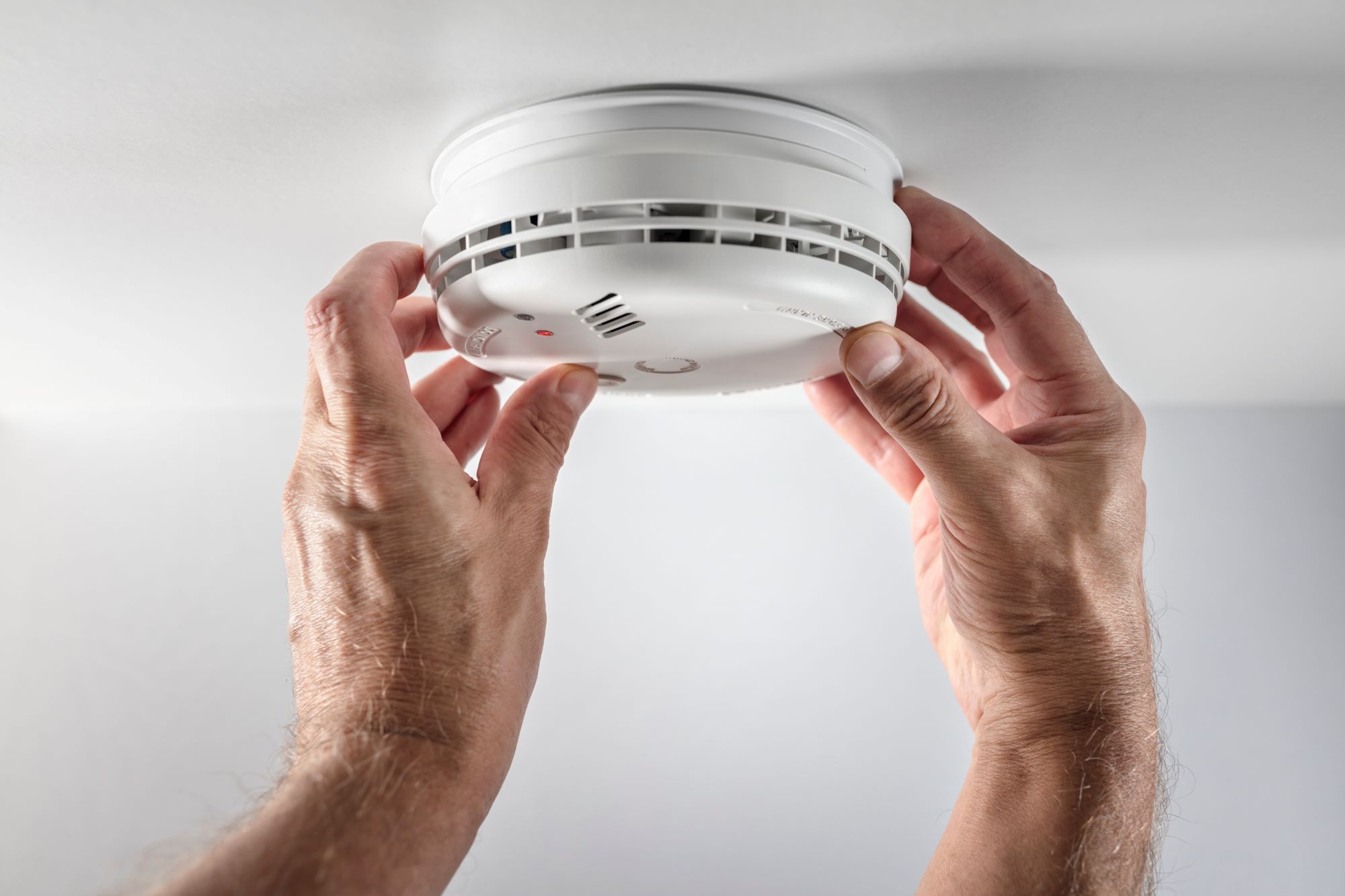
Carbon Monoxide, however, is the true “silent killer.” It has no smell. None. You can’t taste it, see it, or smell it. If your furnace is malfunctioning and pumping CO into your bedroom, your nose won’t help you. This is why having a working, UL-listed detector on every floor isn’t just a “good idea”—it’s a life-saving necessity.
If you can’t smell Carbon Monoxide, how do you know it’s there? You have to listen to your body.
While a natural gas leak is primarily an explosion hazard, CO is a direct poison. It rides on your red blood cells, kicking out the oxygen. The symptoms often mimic a winter cold or the flu:
The “Clarity“ Test: Pay attention to where you feel sick. Does your headache vanish twenty minutes after you go to the grocery store, only to throb again the moment you walk back through your front door? Do your pets seem lethargic or weirdly sick at the same time you do? That isn’t the flu. That’s an environmental warning.
Sometimes the house shows signs before you do. Keep an eye on your gas-burning appliances (water heaters, furnaces, and stoves) for these oddities:
We’ve seen homeowners try the “soapy water“ trick on a pipe and call it a day. While that’s fine for a loose connection on a BBQ grill, it won’t find a slab leak or a cracked heat exchanger hidden deep inside your furnace.
At Utah Leak Detection, we use gear that’s more advanced than a bottle of Dawn. We use acoustic sensors to “hear“ leaks through concrete and tracer gases like helium to find pinholes that are otherwise invisible. Whether it’s a gas line under your driveway or a venting issue in your attic, we see the source so you can actually breathe easy.
If you smell that “rotten egg“ odor or your CO alarm is chirping: Get out. Don’t turn off the lights (flipping a switch can create a spark). Don’t open the windows. Just grab your family and your pets, get to the sidewalk, and call for help.
Once the fire department clears the immediate danger, give us a call. We’ll find exactly where the system failed so you can get it fixed right the first time.