
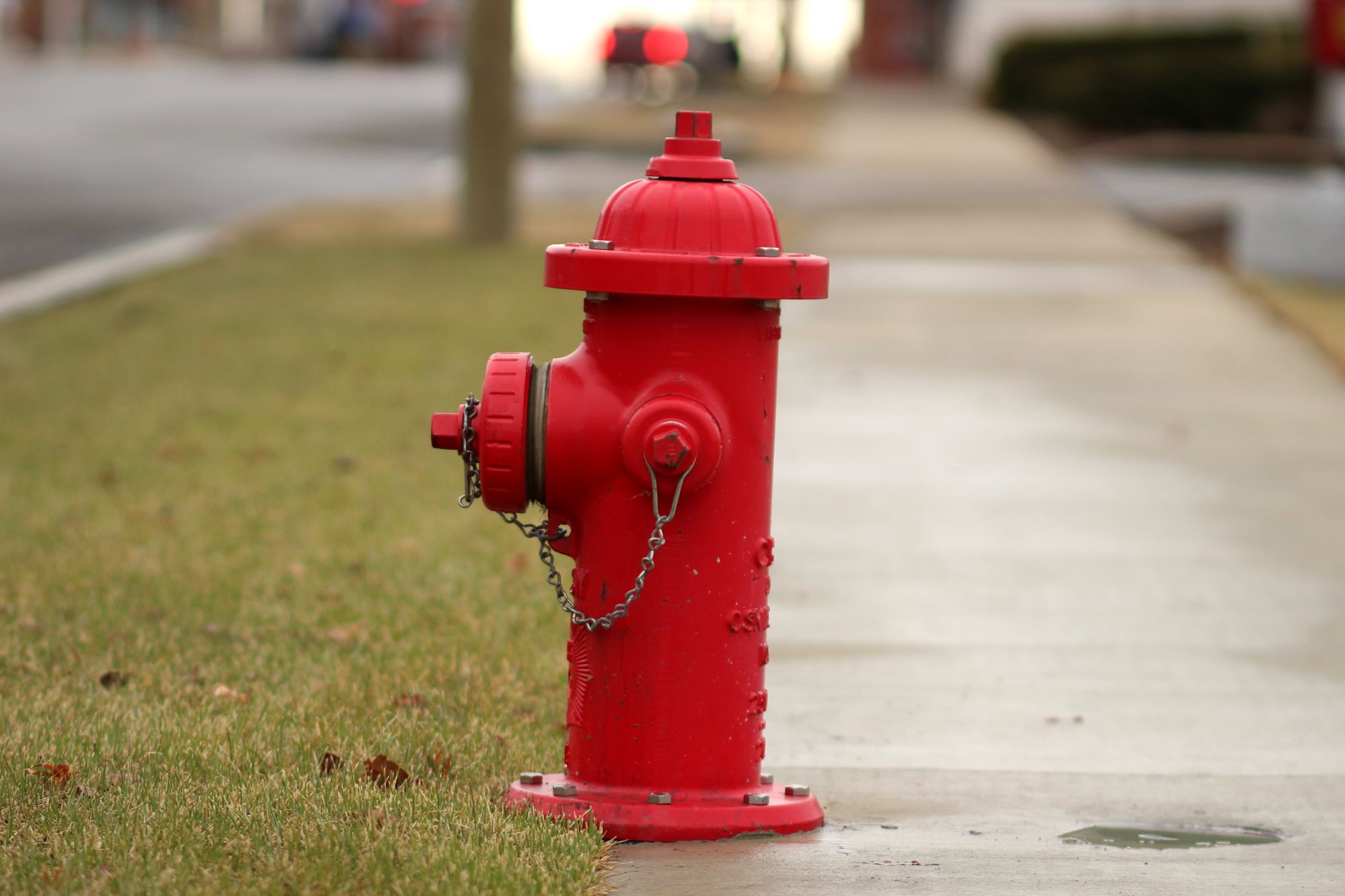
As a facility manager or commercial property owner, your to-do list is endless. You are balancing operational efficiency, tenant satisfaction, and maintenance. Often, the fire hydrants on your property are at the bottom of that list—until the fire marshal issues a violation, or worse, the pavement around the hydrant starts to sink.
Fire hydrant supply lines are the “silent guardians” of your property. Unlike your main culinary water line, which is monitored through daily use, hydrant lines sit pressurized and stagnant, waiting for an emergency. Because these lines are often unmetered, a massive leak can go unnoticed for months, quietly eroding the ground beneath your feet.
At Utah Leak Detection, we’ve seen the consequences: a slow leak in a 6-inch hydrant main washes away the soil foundation, leading to a sudden, expensive collapse of a driveway or parking structure.
One of the most common signs of a fire hydrant leak isn’t a puddle—it’s mechanical behavior.
If your commercial property uses a jockey pump to maintain pressure in its fire protection lines, listen to determine how often it cycles. If the pump is running constantly or kicking on every few minutes without an apparent reason, do not just ignore it.
That constant cycling indicates that water is escaping the system. If you ignore this signal, you risk:
Most fire hydrant mains run directly under asphalt parking lots or landscaping. Historically, finding a leak here required a backhoe and “exploratory digging”—effectively destroying your property to see the breach.
We take a non-invasive approach. Using correlation technology and acoustic ground microphones, we can “listen” to the pipe’s vibrations from the surface.
While many leaks are silent, the environment around the hydrant will often give you clues if you know what to look for:
If your jockey pump is overworking, you’ve noticed a drop in system pressure, or you see a depression forming in your parking lot, you need answers fast.
Fire hydrant leaks are high-stakes issues. They threaten the fire-life safety compliance of your building and the structural stability of your ground. Contact Utah Leak Detection today. We will locate the breach with precision so you can fix it fast—and keep your business running safely.