
There is little that throws a Utah homeowner into a panic faster than discovering a wet basement floor. Your mind jumps straight to the worst-case scenario: a catastrophic burst pipe somewhere behind a perfectly finished wall.
But here at Utah Leak Detection, we’ll let you in on a secret: the culprit is often not a pressurized pipe inside your home, but the unstoppable force of nature pushing water through your foundation. We’re talking about the critical difference between a plumbing failure and relentless groundwater intrusion.
Diagnosing your dampness problem correctly is the most crucial step. A simple patch job won’t stop the water table, and calling a leak-detection expert for a seasonal rain issue is the wrong enemy.
We deal with two entirely different types of water entry, each with its own signature:
The most innovative way to prevent water from entering your foundation is to manage it before it even reaches the concrete. This is the job of the French Drain.
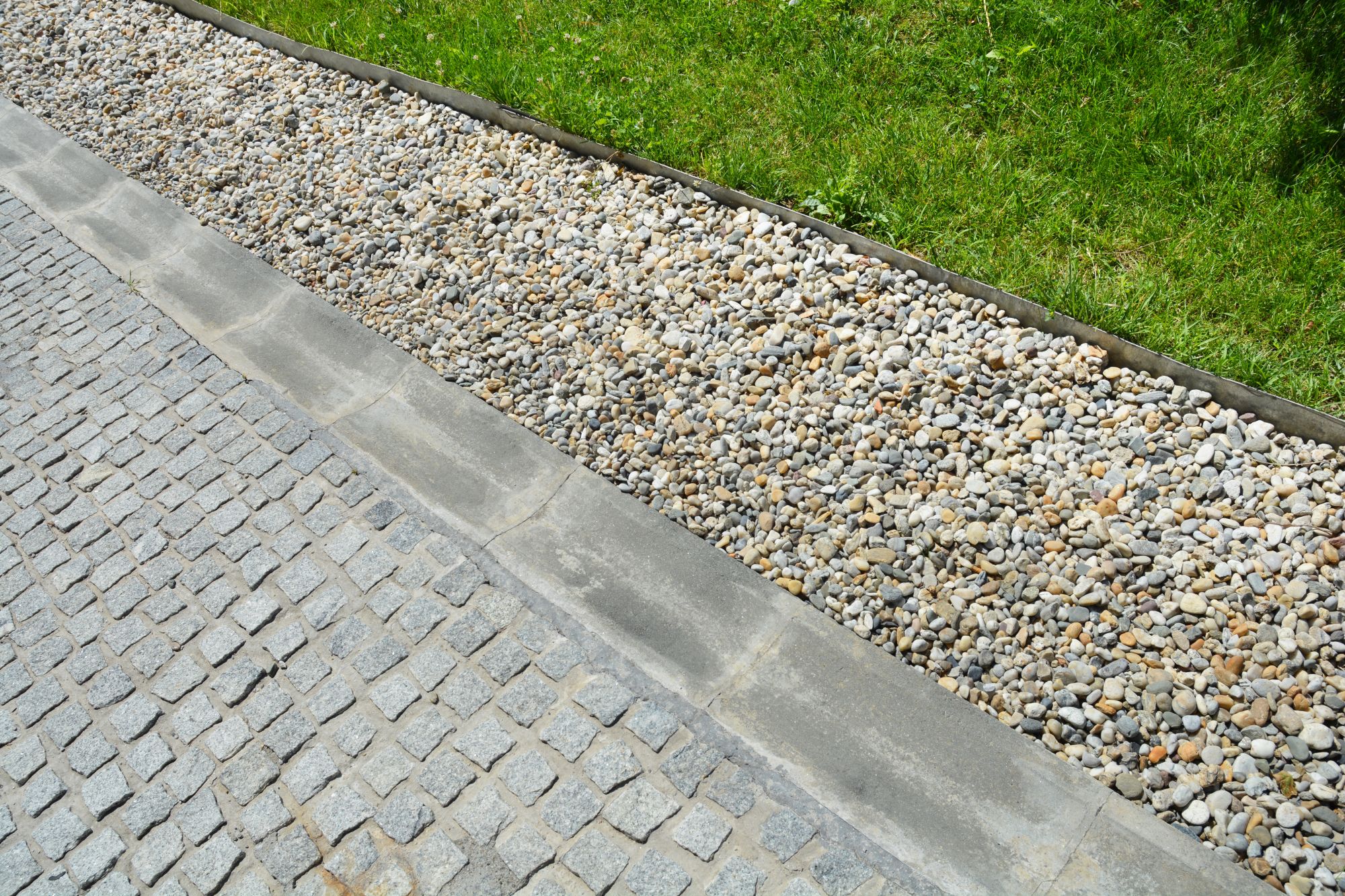
Often misunderstood as a simple gutter extension, a proper French drain is an engineering marvel of the exterior. It’s a trench dug around the perimeter of your house, containing a perforated pipe nestled in a gravel bed and wrapped in filter fabric.
The system acts as a geological buffer, providing the rising underground water with an easy, non-pressurized route. Instead of pressing against your basement wall, the water is channeled into the pipe, collected, and safely diverted away from your property. This dramatically alleviates the pressure on your foundation, making it the most effective frontline strategy for proactive Ground Water Removal.
Sometimes the water table is too high, or the volume is too great, for an exterior drain alone. This is particularly true for homes built far below grade.
In these situations, a more specialized, two-part internal solution is needed to manage the water that inevitably enters the structure:
Choosing the right approach—from a simple exterior French drain to a complete internal Basement Leak prevention system—depends entirely on the unique location and water history of your Utah property.
Don’t let a mystery leak persist. Waiting exposes your home to structural damage, mold, and significant expense. Whether you need a precision leak detection service or a comprehensive groundwater removal strategy, contact Utah Leak Detection today. We’ll provide the correct diagnosis to safeguard your home’s foundation permanently.