
At Utah Leak Detection, we know that discovering a leak—whether it’s water, sewer, gas, or air—can be a stressful experience. It’s a problem that often feels invisible, making it difficult to understand exactly what’s happening and how to fix it. That’s why our team is dedicated not just to finding and fixing leaks, but also to providing you with the information you need to feel confident and in control.
Based on the most common questions we receive from homeowners and business owners across Utah, we’ve put together this quick guide to demystify the process.
Q1: “How long does a leak detection service take?”
This is a common question people ask, and it’s a great one. The short answer is that the time it takes to locate a leak can vary. Factors influencing this include the type of leak, its location, and the complexity of your plumbing system.
For a standard plumbing leak, our expert technicians can often identify the source within just a few hours. We utilize non-invasive, advanced technology to do so. Our methods are designed for efficiency and aim to minimize disruption to your home or business. We’re also proud to offer a “one-hole guarantee” on our leak detections, meaning we’ll only need to make a single access point to get to the leak, a process that typically takes us between 3 and 4 hours. We aim to find the leak quickly and accurately so we can move on to the repair phase as soon as possible.
Q2: “What’s the difference between a slab leak and a regular pipe leak?”
This is a prevalent point of confusion. A “regular” pipe leak can occur anywhere in your plumbing system—behind a wall, under a sink, or in your attic. These are often easier to spot due to visible water stains or an audible drip.
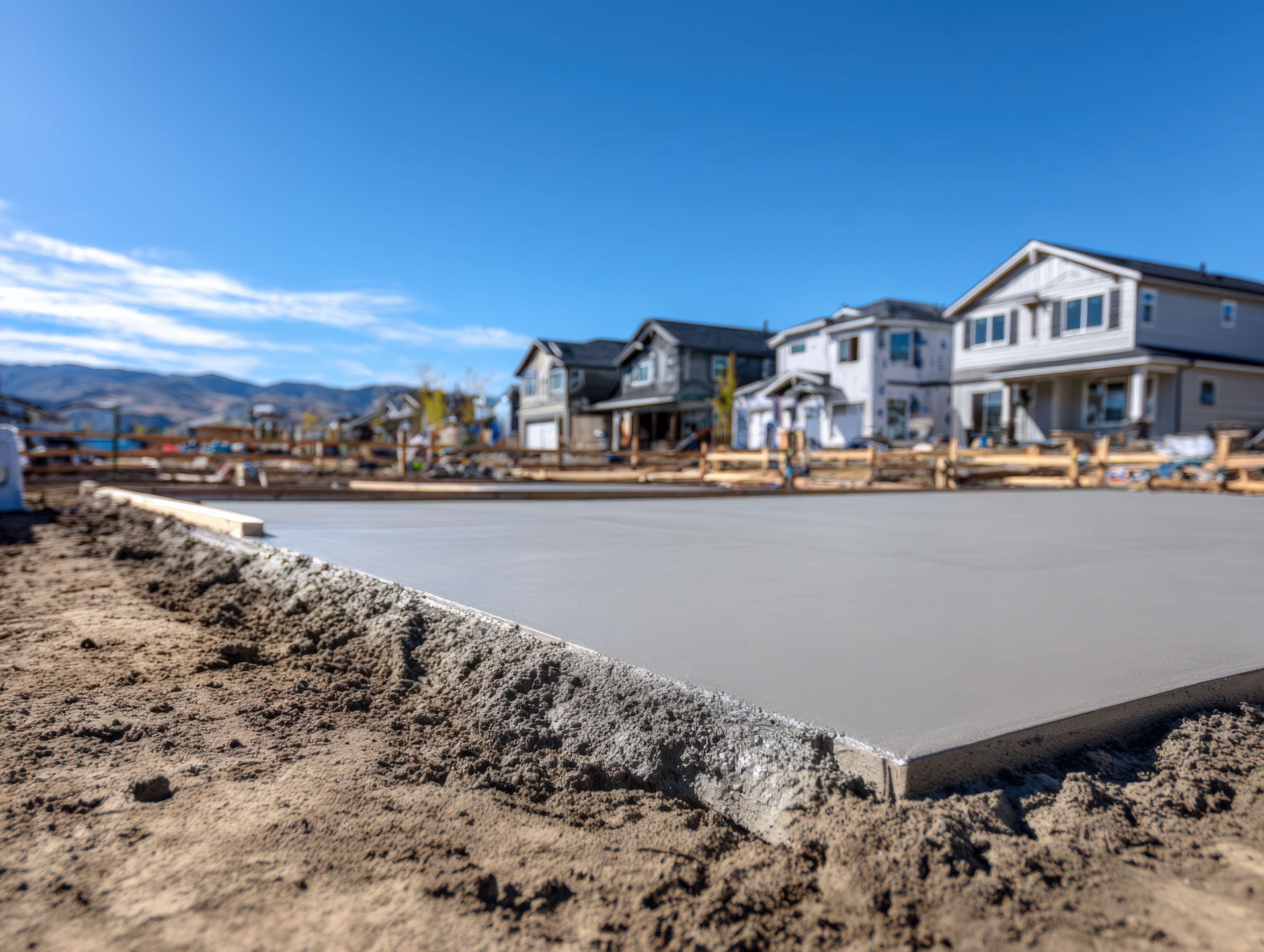
A slab leak, on the other hand, is a specific type of leak that occurs in the plumbing pipes located beneath your home’s concrete foundation, or “slab.” Because these pipes are completely hidden, slab leaks can go undetected for months or even years, causing significant damage. The most common signs are a high water bill with no apparent cause, warm spots on your floor, or the sound of running water when all fixtures are off.
Detecting a slab leak requires specialized equipment, such as ground-penetrating radar and acoustic sensors, to listen for the precise sound of the leak beneath the concrete. At Utah Leak Detection, we are experts in this non-invasive process, which allows us to find the leak without tearing up your property.
Q3: “I smell gas. What should I do?”
This is an emergency, and your immediate safety is the top priority. If you or anyone in your household smells a natural gas odor (often described as rotten eggs), you should:
Evacuate immediately. Get everyone out of the building.
Do not turn on or off any lights or appliances. This could create a spark.
Call the gas company. Once you are in a safe location, call your natural gas provider to report the leak. They will shut off the gas supply.
Call us. After the gas has been safely shut off, contact us for professional gas leaks detection and repair.
Our technicians are trained and equipped to safely locate and repair gas leaks, ensuring your home is safe for your family to return to. We use specialized, sensitive equipment to find even the most minor leaks, and our 24/7 emergency service means we’re always ready to respond.
At Utah Leak Detection, our commitment is to your safety and peace of mind. We pride ourselves on using advanced technology and providing transparent, reliable service. If you have any other questions about a potential leak or if you need an appointment, please don’t hesitate to reach out. We’re here to help you protect your most valuable assets: your home, your business, and your family.
At Utah Leak Detection, we know that discovering a leak—whether it’s water, sewer, gas, or air—can be a stressful experience. It’s a problem that often feels invisible, making it difficult to understand exactly what’s happening and how to fix it. That’s why our team is dedicated not just to finding and fixing leaks, but also to providing you with the information you need to feel confident and in control.
Based on the most common questions we receive from homeowners and business owners across Utah, we’ve put together this quick guide to demystify the process.
Q1: “How long does a leak detection service take?”
This is a common question people ask, and it’s a great one. The short answer is that the time it takes to locate a leak can vary. Factors influencing this include the type of leak, its location, and the complexity of your plumbing system.
For a standard plumbing leak, our expert technicians can often identify the source within just a few hours. We utilize non-invasive, advanced technology to do so. Our methods are designed for efficiency and aim to minimize disruption to your home or business. We’re also proud to offer a “one-hole guarantee” on our leak detections, meaning we’ll only need to make a single access point to get to the leak, a process that typically takes us between 3 and 4 hours. We aim to find the leak quickly and accurately so we can move on to the repair phase as soon as possible.
Q2: “What’s the difference between a slab leak and a regular pipe leak?”
This is a prevalent point of confusion. A “regular” pipe leak can occur anywhere in your plumbing system—behind a wall, under a sink, or in your attic. These are often easier to spot due to visible water stains or an audible drip.
A slab leak, on the other hand, is a specific type of leak that occurs in the plumbing pipes located beneath your home’s concrete foundation, or “slab.” Because these pipes are completely hidden, slab leaks can go undetected for months or even years, causing significant damage. The most common signs are a high water bill with no apparent cause, warm spots on your floor, or the sound of running water when all fixtures are off.
Detecting a slab leak requires specialized equipment, such as ground-penetrating radar and acoustic sensors, to listen for the precise sound of the leak beneath the concrete. At Utah Leak Detection, we are experts in this non-invasive process, which allows us to find the leak without tearing up your property.
Q3: “I smell gas. What should I do?”
This is an emergency, and your immediate safety is the top priority. If you or anyone in your household smells a natural gas odor (often described as rotten eggs), you should:
Evacuate immediately. Get everyone out of the building.
Do not turn on or off any lights or appliances. This could create a spark.
Call the gas company. Once you are in a safe location, call your natural gas provider to report the leak. They will shut off the gas supply.
Call us. After the gas has been safely shut off, contact us for professional gas leaks detection and repair.
Our technicians are trained and equipped to safely locate and repair gas leaks, ensuring your home is safe for your family to return to. We use specialized, sensitive equipment to find even the most minor leaks, and our 24/7 emergency service means we’re always ready to respond.
At Utah Leak Detection, our commitment is to your safety and peace of mind. We pride ourselves on using advanced technology and providing transparent, reliable service. If you have any other questions about a potential leak or if you need an appointment, please don’t hesitate to reach out. We’re here to help you protect your most valuable assets: your home, your business, and your family.