
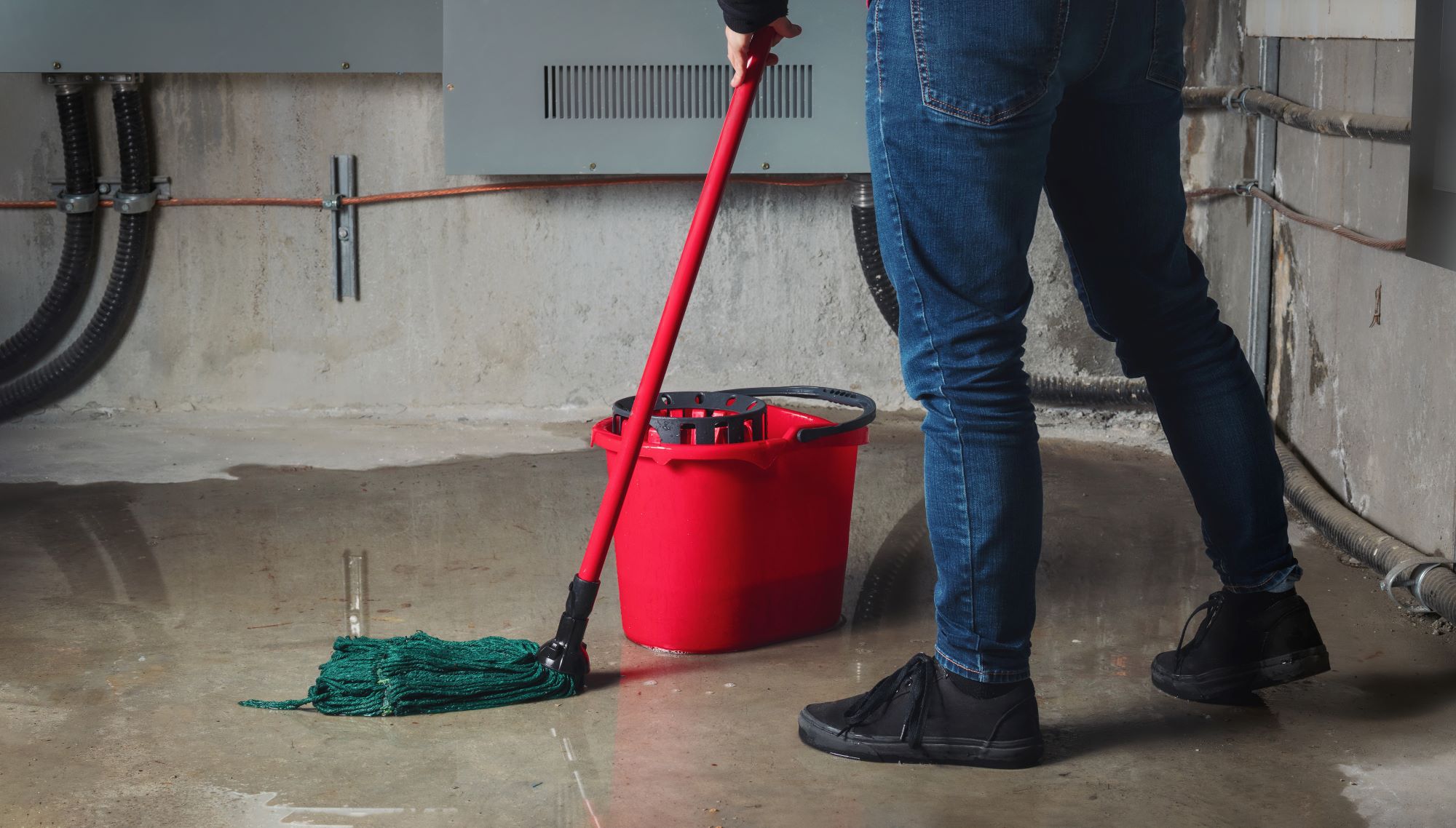
Living in Utah means dealing with extreme weather. We go from scorching desert summers to freezing, snow-packed winters in what feels like the blink of an eye. While we might be used to unpredictable forecasts, our homes often take a beating—especially underground.
Basements are naturally the lowest point of any house. Because they sit directly in the path of groundwater accumulation, they are highly vulnerable to water intrusion. Combine that with the fact that many of us use our downstairs space for storage and rarely visit it, and you have a recipe for hidden damage. A tiny drip can easily turn into a massive headache before anyone even notices.
If you already suspect water is finding its way into your home, Utah Leak Detection is here to help. But before you have to make that emergency call, let’s look at how you can keep your basement completely dry.
Short on time? Here is the bottom line on protecting your Utah home:
It sounds backward, but most indoor basement leaks actually start outside. When water pools around your foundation, it naturally seeks the path of least resistance—which usually leads straight through the concrete and into your basement.
This is a notorious problem for folks living along the East Bench, in Sugar House, or around Cottonwood Heights, where hilly terrain funnels runoff directly toward homes. To fight back, clean out your gutters so they don’t overflow during a storm. Double-check your downspouts, too; they should be pushing rainwater at least a few feet away from the base of your house.
If you are still seeing puddles forming near your walls, you may need to install a French drain. A French drain is a trench filled with gravel and a perforated pipe that actively redirects surface water and groundwater away from your foundation.
Take a walk around the perimeter of your property and carefully inspect both the exterior foundation and your interior basement walls. Do you see any hairline cracks in the concrete slabs?
Don’t ignore them. You absolutely want to seal those up before winter hits. When moisture gets inside a tiny crack and freezes, the ice expands. Suddenly, a small structural quirk becomes a massive entry point for spring snowmelt.
These fractures can occur for a variety of reasons—from house settling over time to intense hydrostatic pressure. Hydrostatic pressure is the immense force exerted by water-saturated soil pushing against your basement walls, which can cause concrete to crack and bow.
Even with the best preparation, moisture sometimes slips through the cracks. The trick is catching the intrusion before the real destruction begins. Make it a habit to check your basement periodically. Keep your senses sharp for:
What is the difference between a plumbing leak and groundwater?
seepage? A plumbing leak involves clean, pressurized water escaping from the pipes inside your home’s plumbing system. Groundwater seepage is environmental moisture (such as rain or snowmelt) that infiltrates your home from the outside through the foundation or the basement floor.
Does homeowners’ insurance cover basement water damage? Homeowners insurance typically covers sudden, accidental internal water damage (like a burst pipe). However, it rarely covers gradual damage from unresolved leaks or groundwater seepage from outside, unless you have purchased specific flood insurance or a water backup endorsement.
How do I know if the damp smell in my basement is a leak? A persistent musty or damp odor is one of the first signs of hidden moisture. If running a dehumidifier does not permanently eliminate the smell, or if the odor gets stronger after a rainstorm, you likely have an active leak or seepage issue that requires a professional inspection.
Staying vigilant goes a long way. Fixing minor drainage issues or sealing small cracks today will absolutely spare you from skyrocketing repair bills tomorrow.
However, if you’re smelling mold, seeing standing water, or just have a gut feeling that moisture is creeping in where it shouldn’t, don’t wait for the problem to fix itself. Reach out to the experts at Utah Leak Detection. As a local team proudly serving Midvale and the greater Salt Lake area, we know exactly how our unique climate affects local foundations.
Give us a call at (801) 613-0969 to schedule an inspection today. We’ll pinpoint exactly where the water is coming from and fully protect your home.